
How we Help
Why Choose Mayfair Health for Performance Testing?
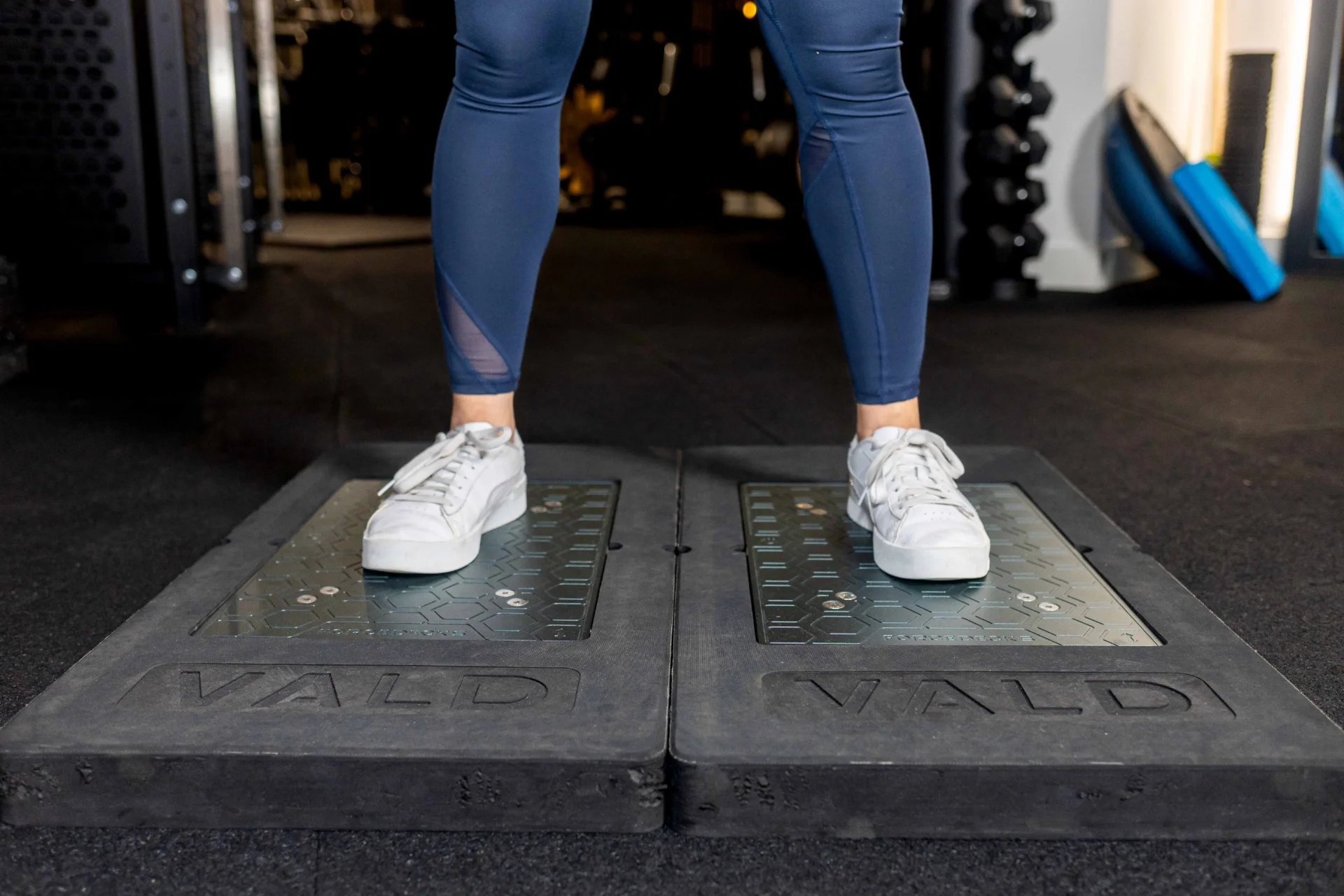
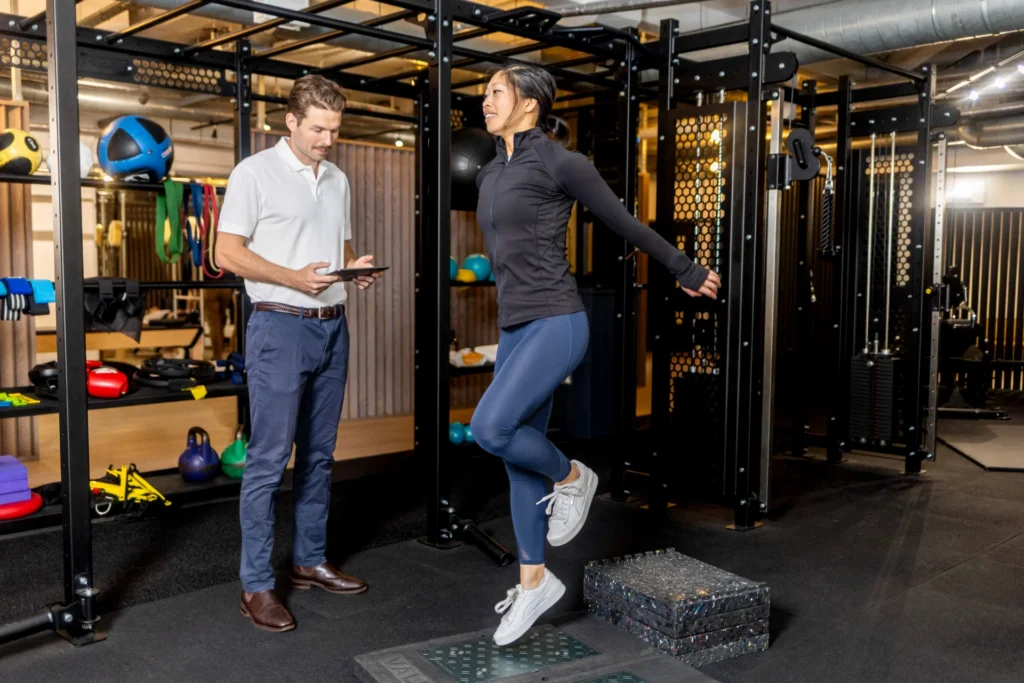
- Elite technology, clinical context: VALD ForceDecks and dynamometer testing used by professional sports teams and performance facilities, interpreted by experienced physiotherapists who understand what the data means for your specific presentation
- Objective measurement: Remove the guesswork from rehabilitation and performance. Our testing quantifies exactly where you are, identifies asymmetries, and tracks your progress over time with reliable, reproducible data
- Integrated with your rehabilitation: Testing is not a standalone appointment. Findings are immediately applied to your physiotherapy programme, exercise prescription and return-to-sport planning
- Serial monitoring: Regular re-testing at key milestones allows us to track your progress objectively, adjust your programme and make evidence-based decisions about your readiness to return to activity
- Suitable for rehabilitation and performance: From post-surgical recovery to injury prevention and athletic performance optimisation, our testing is relevant across the full spectrum of clinical and performance needs
Who Is Biomechanical and Performance Testing For?
Post-Surgical Rehabilitation
Objective testing is invaluable at key milestones following surgery, typically at three, six and nine months post-intervention, to monitor rehabilitation progress, quantify strength recovery, identify persistent asymmetries and make evidence-based decisions about return to sport and activity.
- Lower limb surgery: Knee (ACL reconstruction, meniscal repair, arthroplasty), hip replacement and resurfacing, ankle and foot surgery
- Upper limb surgery: Shoulder reconstruction and stabilisation, rotator cuff repair, elbow surgery
Injury Rehabilitation and Management
- Achilles and patellar tendinopathy: Where quantifying strength deficits and loading capacity is essential to progression
- Hamstring and quadriceps injuries: Return-to-sport strength criteria and symmetry testing
- Back pain related to activity or gym training: Identifying the biomechanical contributors to loading-related pain
- Persistent or recurrent lower limb injuries where strength asymmetry may be a contributing factor
Performance and Injury Prevention
- Athletes seeking to optimise performance, identify strength deficits or establish objective baseline data
- Individuals looking to train more effectively by understanding how their body moves and where imbalances exist
- Those wanting a proactive assessment to reduce injury risk before embarking on a new training programme
- Clients working towards a specific performance goal: a marathon, a return to competitive sport, or a strength target
What the Data Tells Us
Biomechanical testing generates objective, quantifiable information that transforms the quality of clinical decision-making. Examples of what the data can reveal include:
- Limb symmetry index (LSI): The percentage difference in force output between your left and right sides is a key return-to-sport criterion following lower limb injury or surgery, with most protocols requiring 90% or greater symmetry
- Rate of force development: How quickly you can produce muscular force is relevant to reactive tasks, sport-specific demands and fall prevention
- Loading asymmetry: How you distribute load between limbs during squatting, jumping and landing, often abnormal following pain, injury or surgery even when patients feel they have recovered
- Absolute strength values: Muscle force output compared to normative data for your age, sex and sporting background
- Neuromuscular control and balance: How effectively your nervous system manages postural stability and reactive control under load
FAQs
Frequently Asked Questions
What is the difference between force plate testing and dynamometer testing?
Force plate testing measures the forces you produce during whole-body functional movements, such as squats, hops and jumps, providing insight into symmetry, power and neuromuscular loading strategies. Dynamometer testing measures the isolated strength output of specific muscle groups, providing precise data on force production, side-to-side differences and rehabilitation progress. The two tools are complementary and are typically used together within the same assessment.
When after surgery should I have testing done?
We typically recommend testing at three, six and nine months post-surgery, though the exact timing depends on your procedure, your recovery trajectory and your goals. Serial testing at these milestones gives us objective data on how your rehabilitation is progressing and informs decisions about when it is safe and appropriate to return to specific activities.
How long does the assessment take?
The full Biomechanical and Performance Testing session is one hour. This includes the clinical assessment, dynamometer and force plate testing, data review, and discussion of findings and recommendations. A written report is provided following the appointment.
Do I need to be an athlete to benefit from testing?
No. While performance testing is invaluable for athletes, it is equally relevant for anyone recovering from surgery or injury, managing a persistent musculoskeletal condition, or wanting an objective assessment of how their body moves. If you want more than subjective clinical opinion, if you want data, this assessment is for you.
Can I have testing as a standalone appointment, or does it need to be part of a physiotherapy programme?
Testing can be arranged as a standalone assessment with a written report. However, the findings are most valuable when integrated into an ongoing physiotherapy or training programme, your physiotherapist can translate the data directly into updated exercise prescription and rehabilitation goals. We will discuss the most appropriate approach at your initial contact.
Is the assessment covered by private health insurance?
This varies between insurers and policies. We recommend contacting your insurer in advance to confirm your level of cover. Our team is happy to help with any queries.
Google Reviews
Check out our Google Reviews and see how we’ve helped others

 Lamia Diani
Trustindex verifies that the original source of the review is Google.
I have recently started one to one Pilates sessions with Gary, and I can’t recommend him highly enough. He is incredibly professional, knowledgeable, and genuinely attentive. He pays close attention to every detail and tailors each session to work around my injury, which has made a huge difference to my confidence and progress. I really appreciate the care and thought he puts into every session, and I always leave feeling stronger and more positive. If you’re looking for a fantastic Pilates instructor, Gary is the one to see. Ilaria PefanoI had a very positive experience with Adriana P. She is a knowledgeable and attentive instructor, with strong expertise in pregnancy Pilates. The exercises were always appropriate and well tailored, but what I appreciated most was her genuine care for how I was feeling, she constantly checked that I was comfortable and adapted each session to my needs on the day. She supported me with professionalism and reassurance throughout such a special time, making me feel safe and very well looked after!
 SaraI’ve been doing private Pilates sessions with Adriana for over a year and can genuinely recommend her. She is a fantastic Pilates teacher. She adapts each session to you, pays close attention to form, and corrects your form with clear and precise cues.
 Mira GoubranI love the place. Staff are very friendly and helpful. All pilates instructors are very professional. But special thanks to Adriana Papa. She helped me a lot in understanding and loving Pilates. It became part of my life style and also helped me with my back and neck pain. She listened carefully to my concerns, and helped me improve. And I actually recommend it to all my friends.
 Shelley RichardsonI am really impressed with Mayfair Health and the attention given to detail. My physio is looking after me first class.
 Sophie TrotzigRachel Davies has helped me so much with my back and hips. A holistic way of working and putting together a programme that’s really helped me staying consistent and enjoyable at the same time. Couldn’t recommend her enough
 alessia tarantinoI came in completely blocked at neck and upper back level. After just a few sessions Jack Musgrave worked wonders. Extremely skilled, knowledgeable, and attentive, with a really effective approach. On top of being highly professional, he also makes you feel comfortable and supported. Truly excellent – I couldn’t recommend more!
 Anabelle
Trustindex verifies that the original source of the review is Google.
Amazing physio. Horrible coffee bar service. Ordered a drink for the first and last time. Patronising service. MI absolutely love this Pilates studio! The atmosphere is calm and clean The instructor Adriana is amazing.. she’s professional, patient, and really pays attention to every detail. I’ll definitely continue with them .. this place is my favorite now!
 Othman AlkassabiI tried their service in personal training physio, and Pilates. The trainers are so professional and cater for your personal needs This place is a must visit if you are in London and you want to be in good health